The Palenque · San Luis del Rio
From maguey field to copper still.
A family palenque in one of the heartlands of Oaxacan mezcal, where ancestral technique is preserved across generations.
Origin
San Luis del Rio, Tlacolula de Matamoros, Oaxaca.
Our mezcals are made at a family-run palenque in San Luis del Rio, in the municipality of Tlacolula de Matamoros — one of the heartlands of mezcal production in Oaxaca.
Here, ancestral techniques are preserved across generations. From the maguey field to the copper still, each stage honours nature, patience, and ritual. Nothing is rushed, and nothing is industrialised.
The production process
Five stages, unhurried.
-
 01
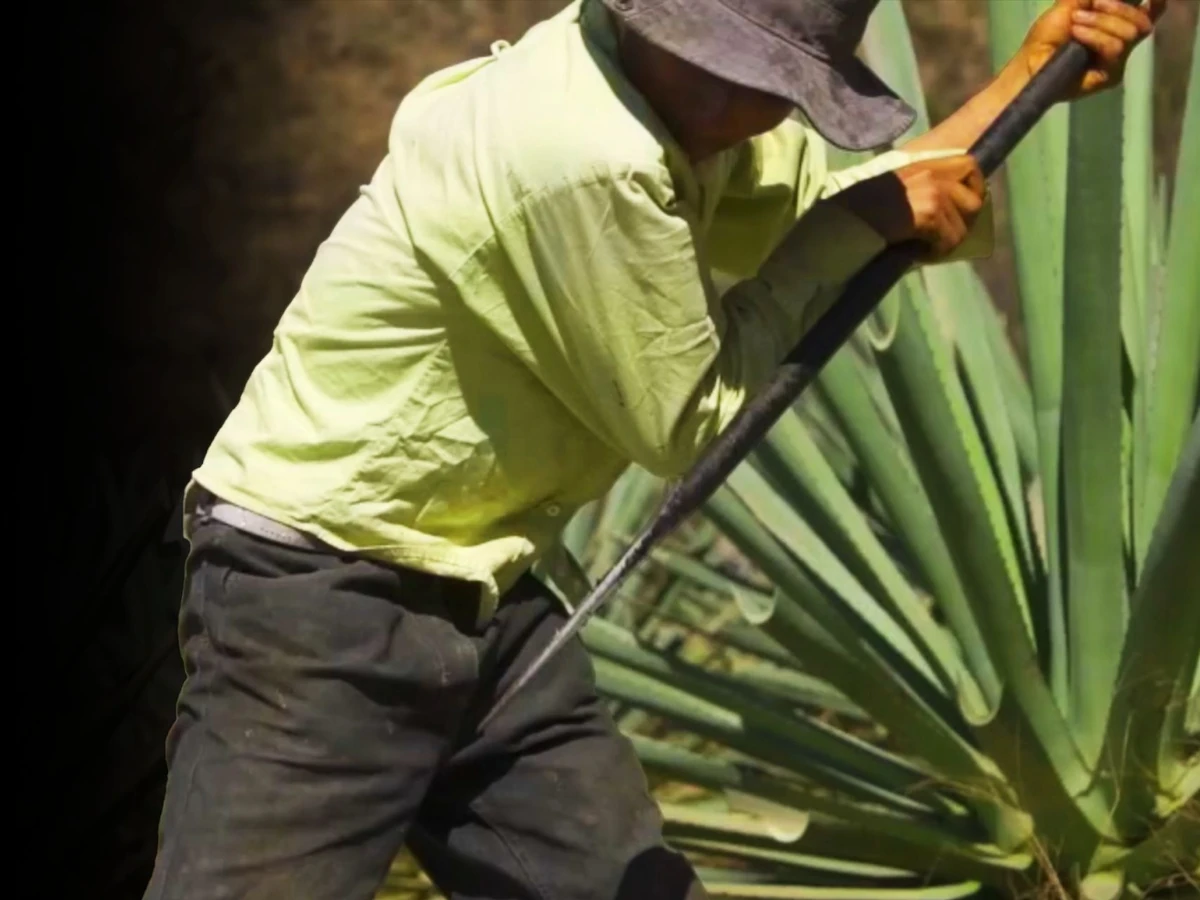
01Harvesting the agave
The maguey is cut just as it begins to send up its quiote — the tall flower stalk — the sign that its sugars have concentrated to their peak in the piña. Only then are the pencas, the leaves, cut away and the heart separated from its root.
-
 02
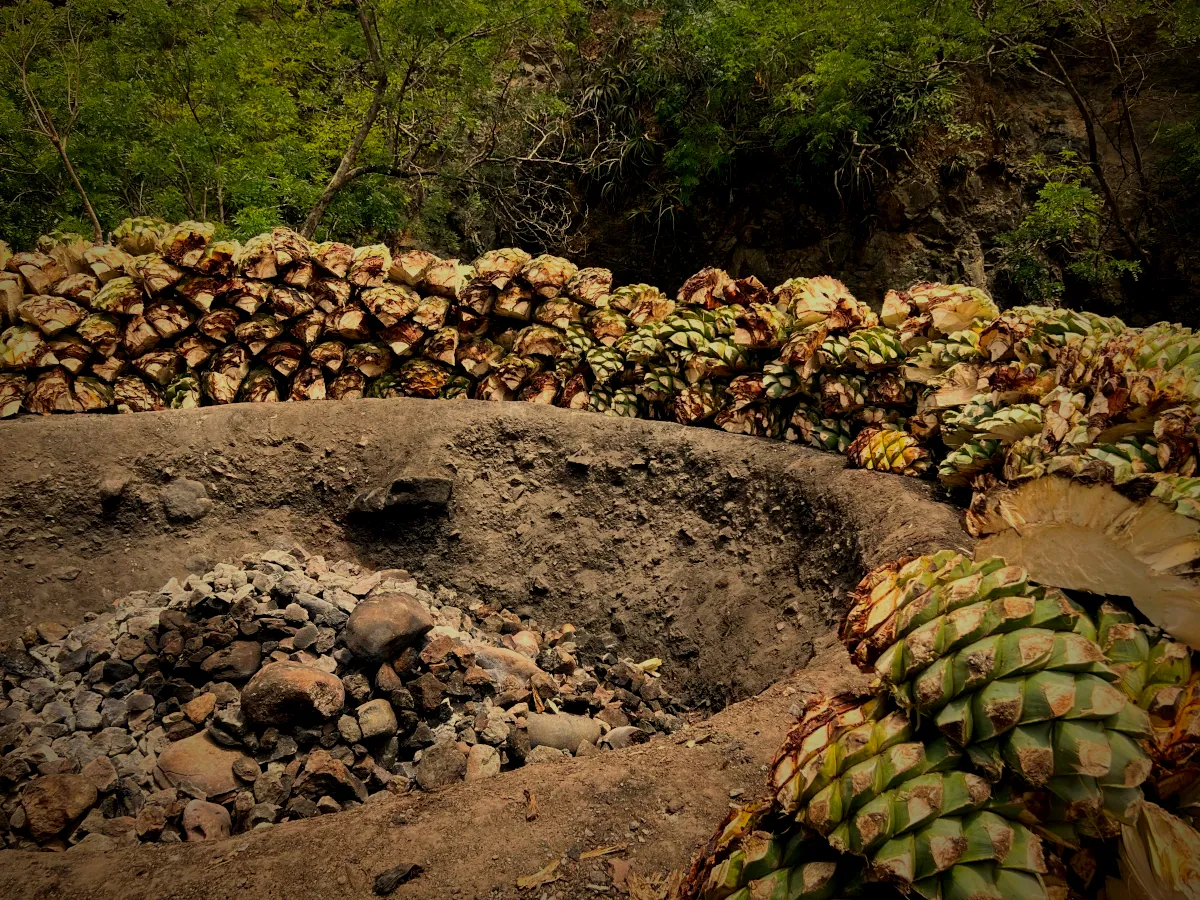
02Conic oven roasting
Piñas are cooked in a conical oven layered with pine wood and stones. Once the stones glow red-hot the hearts go in, the oven is sealed with earth until the maestro mezcalero judges them cooked, and the slow, smoky bake turns the agave’s complex sugars into the simple sugars fermentation needs.
-
 03
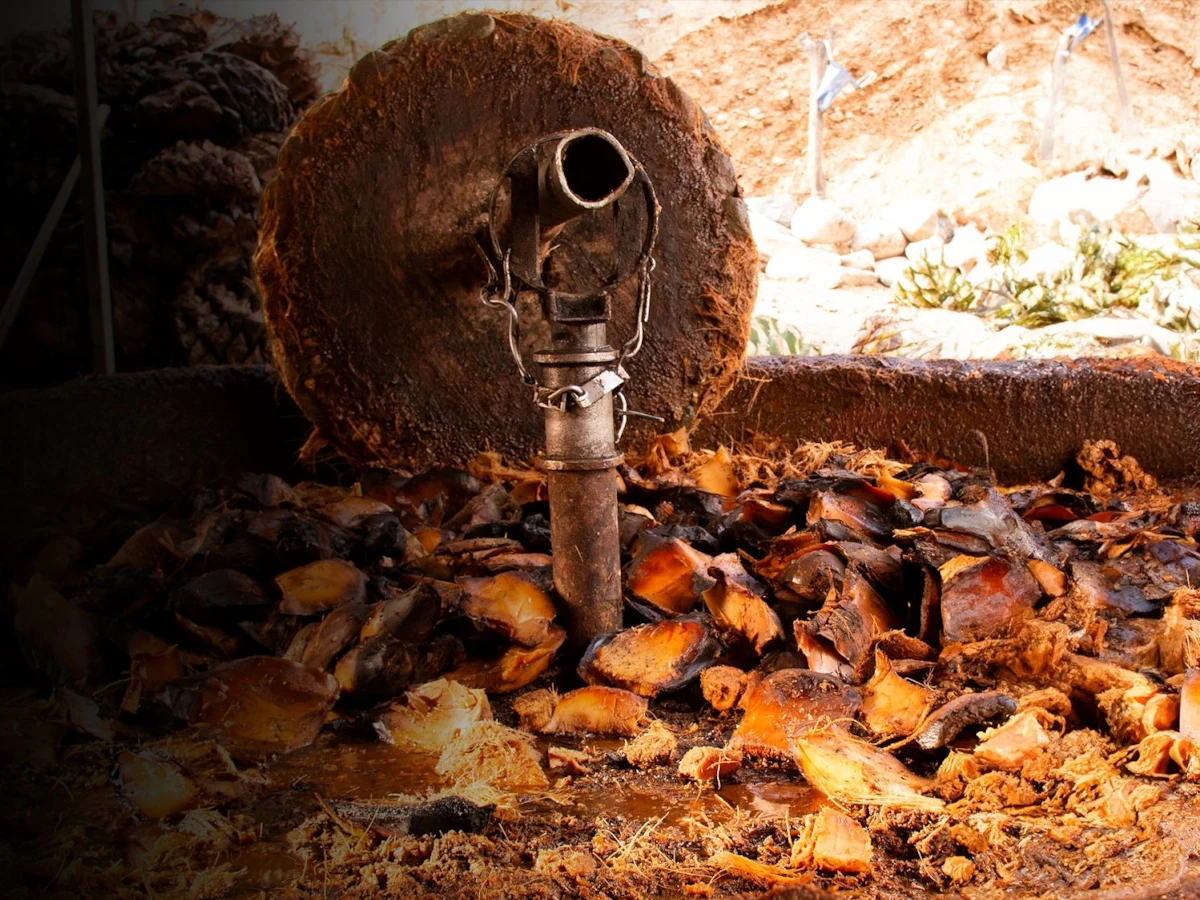
03Tahona grinding
The roasted agave is crushed in a circular cement mill, where a great stone wheel turns — drawn by a draft animal — releasing the cooked sugars and fibre together.
-
 04
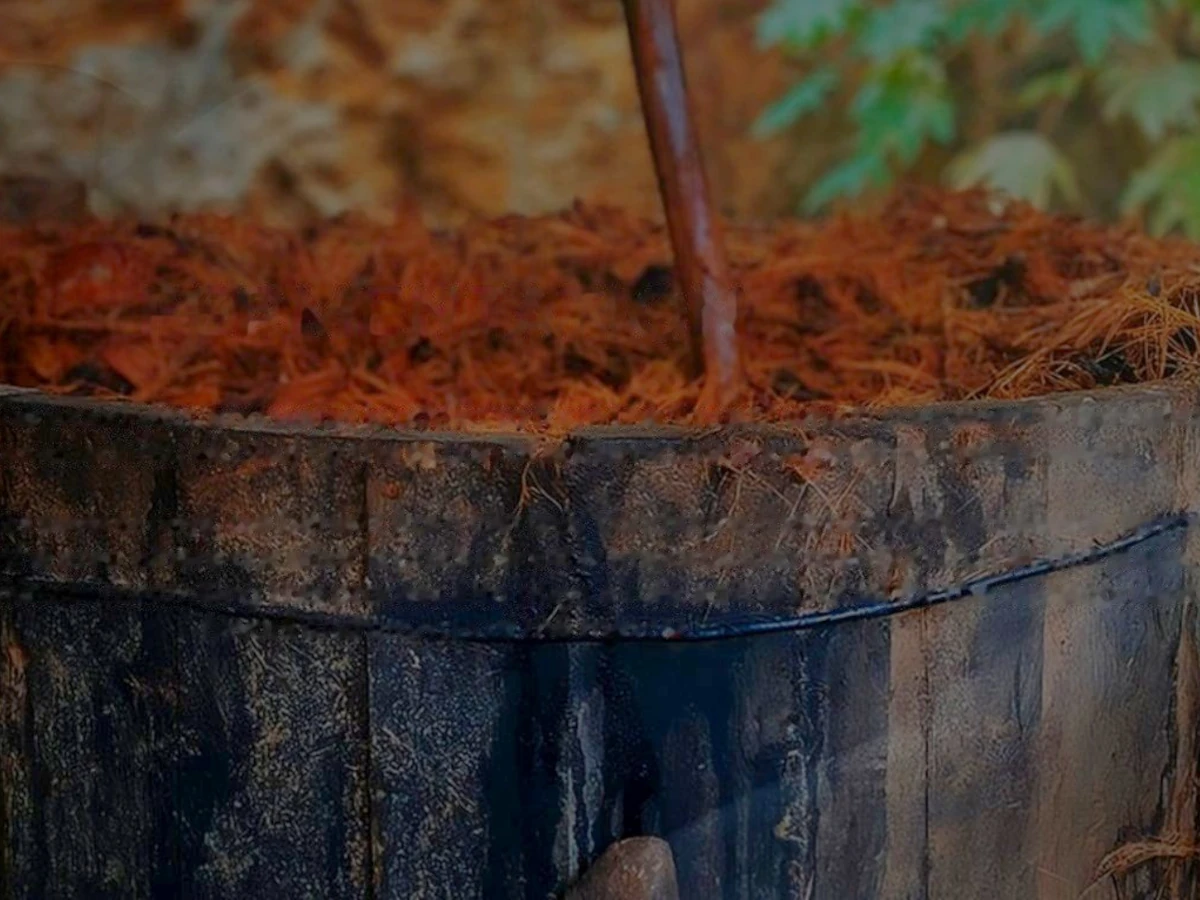
04Fermentation in pine wood vats
The ground agave is placed in pine wood vats with water to form the “must” — the fermentable sugars within. Endemic wild yeasts convert those sugars to alcohol over several days, helped by the local climate and water, while the maestro mezcalero guides the process that shapes the mezcal’s final aromas and flavour.
-
 05
05Double distillation
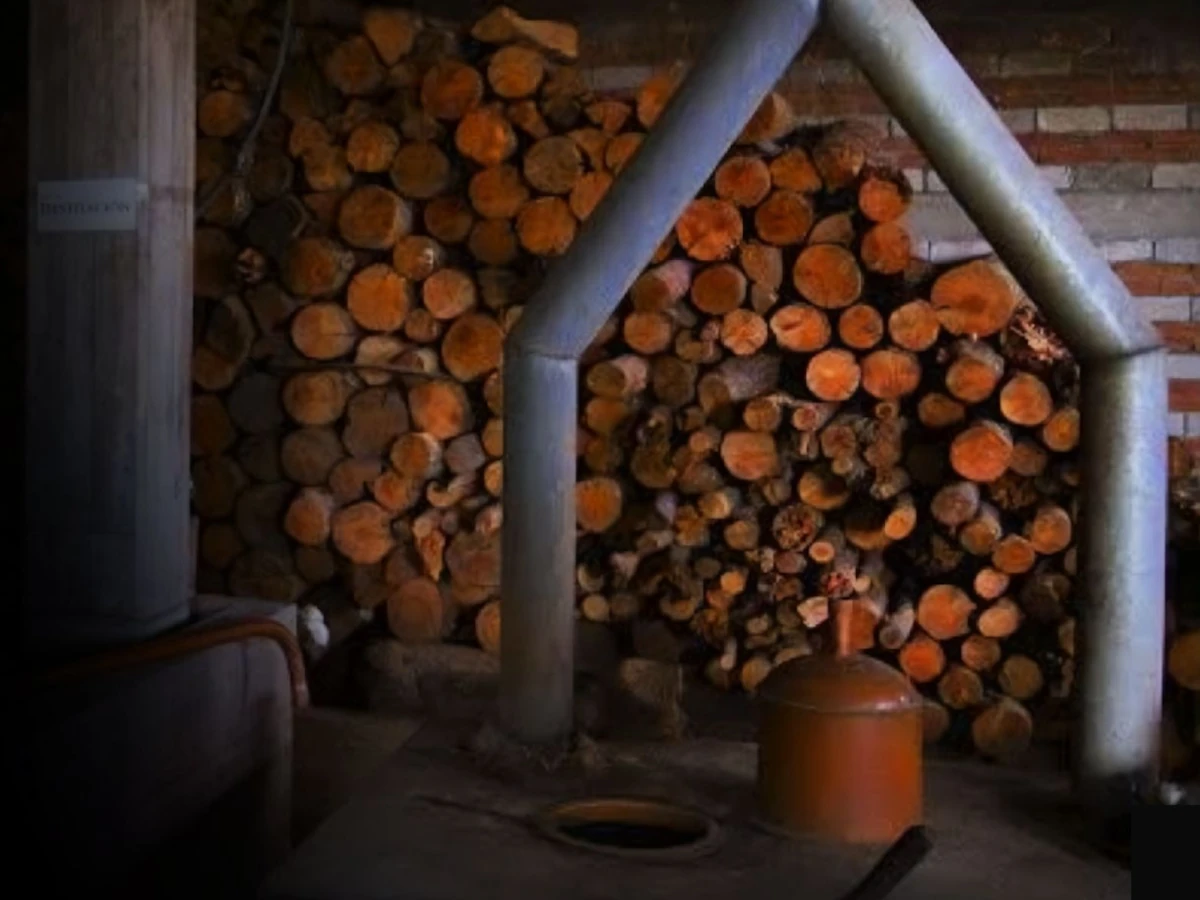
The fermented must is twice distilled in copper stills, concentrating the spirit and refining its character into finished mezcal.
Taste the result.
Three expressions from this palenque, exclusive to Maguey & Co. in the UK.
Explore the brands